
Warehousing & Logistics
Industry Energy Solutions
Power continuity for warehouses and logistics operations
Maintain lighting, security, communications, refrigeration and operational systems while lowering energy costs.
Typical solutions
- Solar PV generation
- Lithium battery storage
- Hybrid inverter systems
- Generator integration
- Protection and distribution
- Remote system monitoring
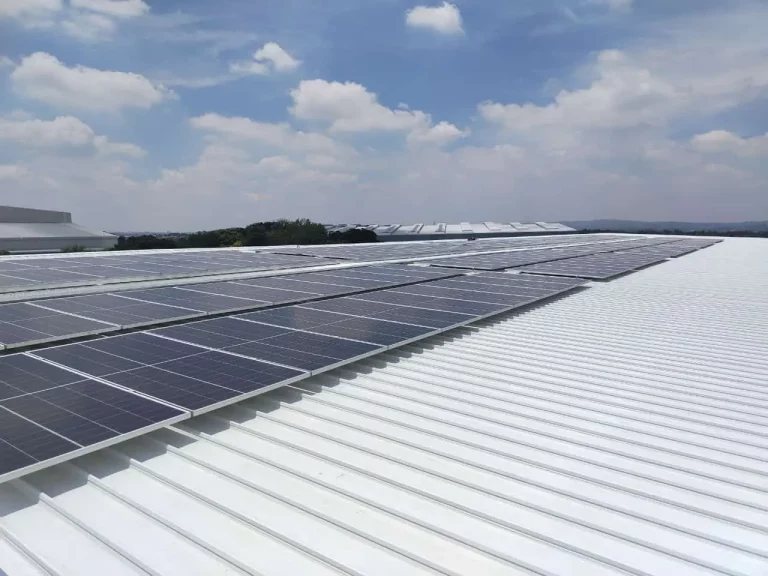
Solar that follows warehouse operations
Warehouse power planning considers refrigeration, shift hours, security, conveyors and vehicle charging—not roof area alone.
Products and Helios for Warehousing & Logistics
For projects from 200 kW to 5 MW, MicroSec’s standard offering is Megarevo with Dyness storage. Battery energy capacity and discharge power are sized separately around the site’s demand and backup duration, with exact equipment compatibility confirmed during engineering. Explore Megarevo and Dyness or request a project quotation.
- Megarevo Commercial Solar & Storage — Assess three-phase inverter capacity, battery storage and integration for your warehouse loads.
- Deye LV and HV solar and storage systems — Equipment selected for the site load, battery requirements and supported configuration.
- Request a LuxPower solar and backup quotation — Confirm the appropriate inverter, compatible storage and installation scope with MicroSec.
- Helios Connect Monitoring — Centralised visibility for supported energy assets and alarms.
Large warehouse roofs are strong candidates for Helios Solar Thermal Watch, subject to camera coverage and technical assessment. Qualifying commercial projects can also apply for solar finance options (36, 48 or 60 months).
Size warehouse solar around shifts and essential loads
Warehouse energy needs vary with operating hours, refrigeration, conveyor systems, lighting and battery charging. Share recent electricity bills, interval consumption data where available, shift times and a roof layout so the assessment can compare daytime solar generation with actual demand.
Will solar keep cold rooms and dispatch systems running?
Solar generation alone does not establish outage backup capability. Identify the refrigeration, security, communications and dispatch circuits that must remain operational, their starting loads and the required backup duration. Battery storage, inverter power and supported generator integration must be assessed together.
How does forklift and fleet charging affect the design?
Include charger ratings, the number of vehicles and their charging schedules in the load assessment. Charging during solar-production hours may increase on-site solar use where operations permit; the electrical supply and charging equipment must suit the proposed arrangement.
Explore our commercial and industrial solar assessment process or request a commercial energy assessment. Estimated savings depend on the load profile, tariff, generation and final design.
Electric forklifts for warehouse operations
Compare Noblelift and UN lithium electric forklifts for your loads, aisle widths and shifts. Our South African electric forklift buying guide explains what to confirm about lift height, load centre and charging requirements. Final configuration, availability and delivery are confirmed by quotation.
Why MicroSec
Every system is designed around site loads, operating hours, fault protection, cable sizing, earthing, compliance and long-term serviceability.
Speak to MicroSec about specifications, compatibility, pricing and project requirements.